Best Spatzle With Cheese Near Me – Mejores Lugares Cerca de Ti
The Geography of Comfort: Finding Authentic Käsespätzle
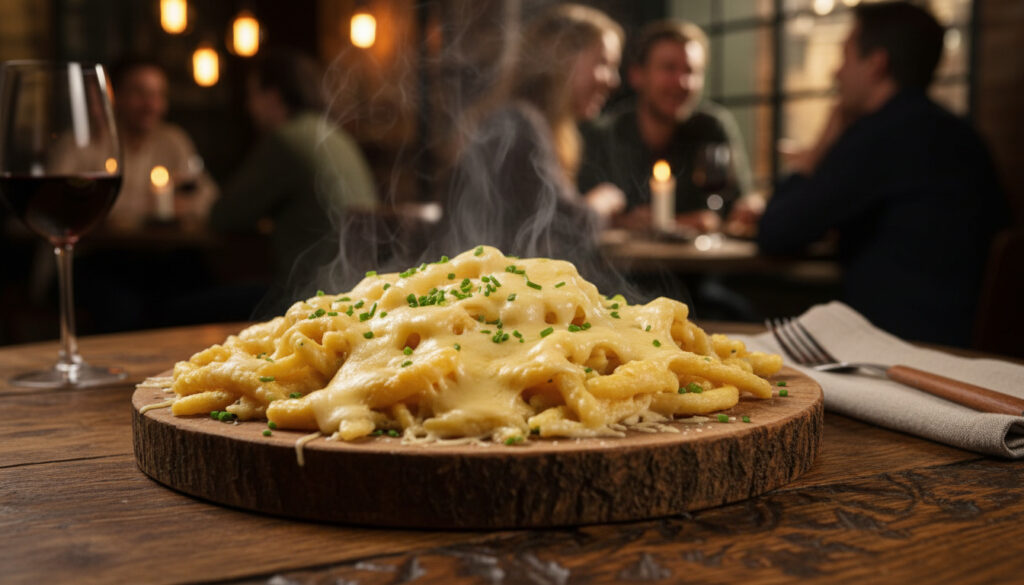
The search for exceptional hand-crafted spaetzle locally often ends at establishments that prioritize traditional preparation over convenience. This Alpine staple—soft egg noodles layered with melted cheese and crowned with crispy onions—varies dramatically in execution depending on regional training and ingredient sourcing. Understanding the markers of authenticity helps distinguish genuine Alpine kitchens from those merely appropriating the aesthetic. Locating the best European comfort food requires recognizing specific technical standards that separate approximation from tradition.
Essential Markers of Quality
Noodle Architecture
True spaetzle exhibits irregular surfaces and varying lengths, evidence of hand-scraping or traditional press techniques. Machine-extruded variations typically present uniform cylindrical shapes that compromise sauce adhesion and create an overly dense mouthfeel.
Cheese Selection
Quality preparations rely on aged Alpine varieties—Emmental, Gruyère, or regional Bergkäse—that provide stringy texture without becoming rubbery when heated. These cheeses contribute nutty, fermented depth that pre-shredded industrial alternatives cannot replicate.
Onion Preparation
The garnish separates adequate from exemplary. Properly prepared onions undergo slow caramelization in butter until deeply browned and crisp, a twenty-minute process distinct from quick sautéing. Rushed preparations yield soft, translucent rings lacking textural contrast.
Practical Evaluation Criteria
Evaluating kitchen methods reveals significant variation between venues. Traditional Swabian technique requires scraping dough from a wooden board directly into simmering water, creating uneven, nubby textures ideal for trapping molten cheese. Modern spaetzle presses offer consistency but often sacrifice the characteristic roughness that defines authentic preparations. Establishments preparing batches to order rather than reheating pre-cooked noodles demonstrate necessary commitment to textural integrity.
Regional Variations Compared
| Region | Cheese Blend | Noodle Character | Signature Addition |
|---|---|---|---|
| Swabian (Germany) | Emmental, Bergkäse | Irregular, coarse surface | Crispy fried onions |
| Vorarlberg (Austria) | Montafoner cheese | Compact, short | Fresh chives |
| Allgäu (Germany) | Allgäuer Emmental | Soft, egg-rich | Applesauce accompaniment |
| Appenzell (Switzerland) | Appenzeller | Fine, delicate | Speck lardons |
Preparation Standards
Dough composition determines final texture. Authentic ratios require approximately one egg per hundred grams of flour, with mineral water sometimes replacing still water to increase lightness. Proper resting periods allow gluten relaxation, producing tender noodles rather than elastic, rubbery results. The batter should drip slowly from a spoon while maintaining enough cohesion to hold shape when scraped.
Production Timeline
- Batter Resting: Twenty to thirty minutes of hydration allows flour granules to fully absorb liquid, preventing gummy textures.
- Cooking: Two to three minutes in salted water until noodles float; immediate shocking prevents carryover cooking.
- Cheese Integration: Alternating hot noodles and grated cheese in layers creates thermal momentum for complete melting without additional liquid.
- Browning: Optional broiler finish creates textural contrast between crispy top layers and creamy interior.
Distinguishing Authenticity from Approximation
Many establishments mislabel pasta dishes as spaetzle. Dried supermarket varieties rehydrated in boiling water lack the fresh dough’s characteristic bite and egg-forward flavor. German culinary standards specifically differentiate between these preparations and true hand-crafted noodles. Preparations using mozzarella or cheddar diverge fundamentally from Alpine tradition, regardless of presentation, as these cheeses lack the necessary acidity and melt behavior.
Culinary Landscape Analysis
Market trends show increasing differentiation between traditional Kasspatzen and adapted versions. Purist venues maintain strict geographical ingredient provenance, importing specific cheeses directly from Alpine producers. Contemporary kitchens increasingly incorporate truffle oil, wild mushrooms, or exotic additions—alterations that regional purists consider distinct menu items rather than iterations of the classic. The evolution of Alpine cooking continues to balance preservation with adaptation.
Practitioner Perspectives
“The dough must be loose enough to drip slowly from the spoon, yet cohesive enough to hold shape when scraped. This viscosity indicates proper hydration and predicts the final delicate texture.”
— Traditional Alpine kitchen methodology
Key Takeaways
Authentic käsespätzle requires fresh preparation, specific Alpine cheeses with proper aging, and properly caramelized onion garnishes. Local availability depends on restaurants willing to maintain labor-intensive standards rather than opting for pre-made alternatives or substitutions that compromise the dish’s structural integrity.
Frequently Asked Questions
What distinguishes Swabian spaetzle from other egg noodles?
Swabian spaetzle specifically refers to irregular, hand-scraped dumplings originating from the Baden-Württemberg region, characterized by coarse surface textures and specific dough densities that differ significantly from uniform machine-cut pasta or other regional dumpling varieties.
Can käsespätzle be prepared with gluten-free alternatives?
While traditional preparation relies on wheat gluten for structural integrity, some specialty establishments utilize proprietary flour blends. However, the resulting texture differs markedly from classic preparations, often producing softer, less resilient noodles.
Why do authentic versions use Emmental rather than mozzarella?
Emmental provides the characteristic nutty flavor profile and stringy melt essential to the dish’s identity. Mozzarella offers insufficient flavor complexity and incorrect texture when heated in this context, creating a rubbery rather than creamy consistency.
Mas articulos relacionados
 Nuria Roca y Juan del Val: historia, hijos, edad y relación | Guía completa
 Ver F1 en directo gratis por Telegram: guía y canales 2025
 Noticias Castilla y León: fuentes y diarios regionales
 El tiempo en Brene : previ ión y clima a 7 día
 A qué hora empieza el Sorteo de Navidad 2025: horario y premios
 Fotos de Lamine Yamal: las mejores imágenes del 10 del Barça
 Secuestro en Gran Canaria – Cinco detenidos por rapto en El Salobre
 Antena 3 Noticias hoy mediodía: horario, presentadoras y directo